
Project
Shaping the Future of Sustainable Manufacturing
The ADD-reAM research project brings together leading researchers, industry experts and policymakers to drive sustainable remanufacturing through advanced Additive Manufacturing technologies. Our aim is to support the Netherlands’ transition to a fully circular economy.
The Challenge
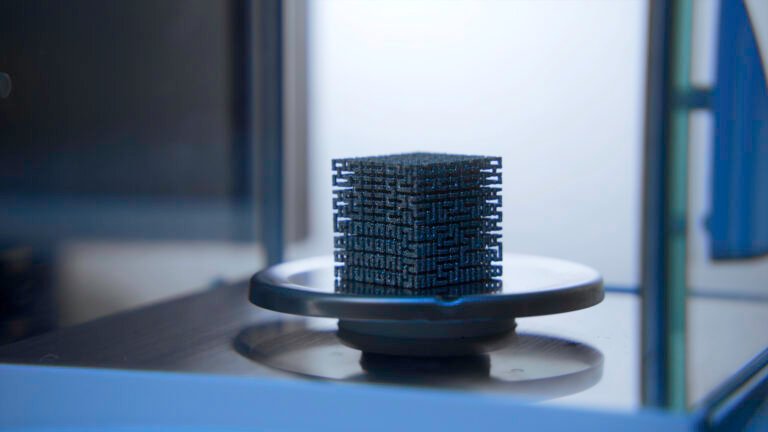
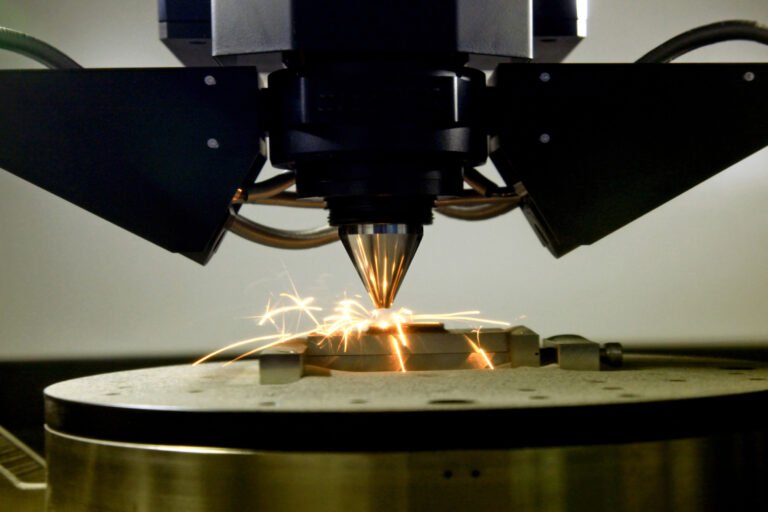
Traditional manufacturing in Europe presents significant environmental and economic challenges due to resource-intensive processes and unsustainable consumption patterns. The dominant linear model, according to which products are manufactured, used, and discarded, creates serious inefficiencies and unnecessary environmental harm. While recycling is valuable, it often results in downcycling where materials lose value. Repair and remanufacturing with AM can offer a more effective solution by extending product lifespans significantly while reducing environmental impact.
Objectives
AM for Repair & Remanufacturing
Develop and validate Additive Manufacturing technologies specifically optimized for repair and remanufacturing applications.
AI-Driven Decision Making
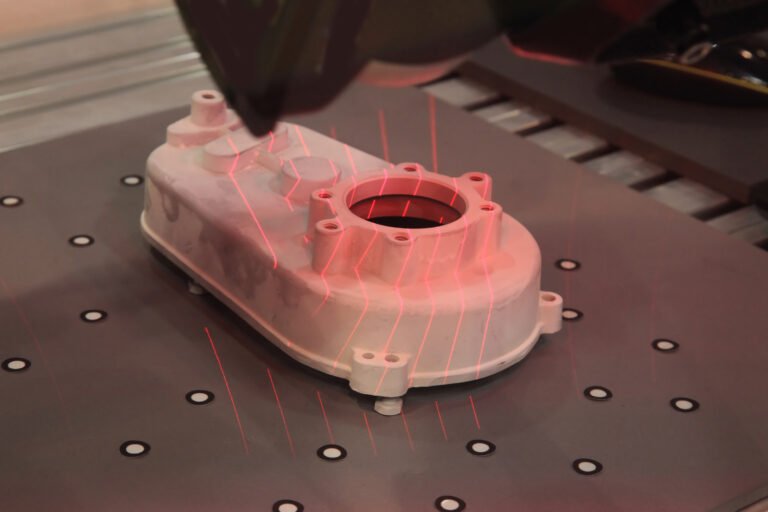
Create intelligent systems that can assess products and determine optimal repair strategies using AI and machine learning.
Policy & Regulation
Develop regulatory frameworks and policy recommendations that support circular economy practices.
Consumer Behavior Change
Foster social acceptance and behavior change toward embracing repaired and remanufactured products.
Circular Business Models
Create new business models that make repair and remanufacturing economically viable for companies.
Standardization
Establish standards and quality assurance processes for AM-based repair and remanufacturing.
Approach
Interdisciplinary by Design
By coupling engineering, AI, logistics, environmental science, economics, consumer behaviour, law and education, Add-reAM ensures that technological advances are economically viable, legally compliant and socially accepted, accelerating the Netherlands’ transition to a fully circular economy. Add-reAM is organized into four highly interdependent work packages that span technical, logistical, economic, legislative, educational and societal dimensions.
Program Leader
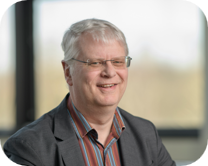
Prof. Dr. Ian Gibson
Ian Gibson is a full professor at UTwente in Industrial Design Engineering and besides that he is the Scientific Director of the University’s Fraunhofer Project Centre in complex systems engineering. As a professor at UTwente, he provides guidance to other professors, based on his knowledge and experience. This can relate to their research, but he also offers them advice on broader subjects, like career development.
In his role at the Fraunhofer Project Centre, he connects the university and the centre in terms of getting more people involved, providing research directions for the Centre and linking research of other groups at the university to the activities at Fraunhofer. These links need to be mutually beneficial to the Centre and the research groups, but should also support the main goal, which is providing research support for local industry and primarily local manufacturing industry. All activities at Fraunhofer are project-based. In these projects, undergraduates, Masters- and PhD-students are trained. The links between research and teaching comes natural to Gibson and his colleagues at the centre.